
Light Therapy in Eye Care: A Breakthrough Approach for Dry Eye Disease and MGD
Dry eye disease is no longer a minor complaint—it is a growing public health concern affecting patients across all age groups. With increased screen exposure, aging populations, hormonal changes, and environmental stressors, traditional dry eye treatments often fall short of delivering long-term relief.
Light therapy has emerged as a powerful, non-invasive solution in modern eye care. Technologies such as Low-Level Light Therapy (LLLT) and Intense Pulsed Light (IPL) are reshaping how optometrists manage meibomian gland dysfunction (MGD), ocular rosacea, and chronic dry eye disease—by targeting the root cause rather than just symptoms.
Why Dry Eye Disease Needs Advanced Solutions
Dry eye disease affects millions globally and significantly impacts quality of life. One of its most common and underdiagnosed causes is meibomian gland dysfunction, a condition in which the oil-producing glands of the eyelids become blocked or dysfunctional.
When these glands fail to secrete healthy lipids:
- Tears evaporate rapidly
- The ocular surface becomes inflamed
- Vision fluctuates and discomfort increases
Common symptoms include:
- Burning, stinging, or gritty sensation
- Redness and irritation
- Light sensitivity
- Intermittent blurry vision
- Excessive watering due to poor tear quality
Conventional treatments—such as artificial tears, lid hygiene, and anti-inflammatory drops—often provide only temporary relief. Light-based therapies, however, directly address gland dysfunction and inflammation.
Understanding Meibography in Dry Eye Evaluation
Meibography is a diagnostic imaging technique used to visualize the structure and integrity of the meibomian glands. It allows clinicians to:
- Assess gland dropout
- Monitor disease progression
- Evaluate treatment effectiveness
By combining meibography with light therapy, optometrists can offer evidence-based, personalized treatment plans.
Low-Level Light Therapy (LLLT): Restoring Natural Gland Function
What Is LLLT?
Low-Level Light Therapy uses red or near-infrared light to stimulate cellular activity and healing. In eye care, LLLT is applied over closed eyelids to enhance meibomian gland performance and reduce chronic inflammation.
How LLLT Works in Dry Eye Treatment
- Stimulates mitochondrial activity, improving cell repair
- Softens and liquefies stagnant meibum
- Enhances blood flow to eyelid tissues
- Reduces inflammatory markers
LLLT is painless, gentle, and particularly suitable for patients with sensitive eyes.
Typical LLLT Treatment Protocol
- Around 6 sessions, usually once per week
- Each session lasts approximately 15 minutes
- No recovery time required
Clinical Benefits of LLLT
- Improves tear film stability
- Reduces eyelid inflammation
- Enhances natural oil secretion
- Provides sustained symptom relief
- Suitable for long-term dry eye management
Intense Pulsed Light (IPL): Treating Inflammation at Its Source
What Is IPL Therapy?
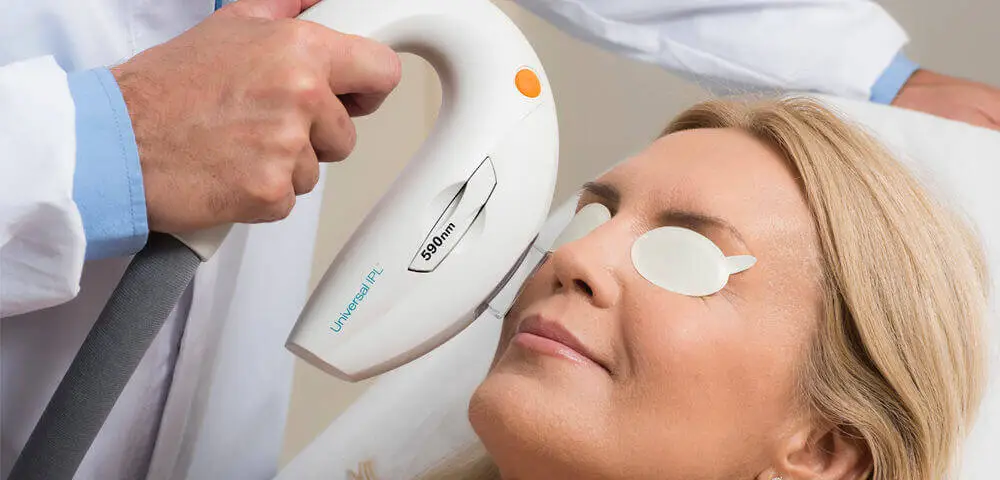
Intense Pulsed Light therapy delivers controlled pulses of broad-spectrum light to the skin around the eyes. Originally used in dermatology, IPL has proven highly effective in managing MGD-related dry eye and ocular rosacea.
Mechanism of Action
IPL works by:
- Reducing abnormal blood vessels that fuel inflammation
- Heating and unblocking meibomian glands
- Lowering bacterial load on the eyelids
- Stabilizing the tear film
It is especially beneficial for patients with visible lid redness and rosacea-related inflammation.
IPL Treatment Schedule
- Typically 4 sessions
- Sessions spaced 2–3 weeks apart
- Each session lasts 15–20 minutes
Benefits of IPL for Eye Conditions
- Improves meibomian gland secretion quality
- Reduces chronic eyelid inflammation
- Effective for rosacea-associated dry eye
- Minimal downtime
- Long-lasting results with maintenance
LLLT vs IPL: Choosing the Right Therapy
| Aspect | LLLT | IPL |
|---|---|---|
| Best suited for | Gland dysfunction & inflammation | Rosacea, telangiectasia & MGD |
| Sensation | Completely painless | Mild warmth |
| Sessions | More frequent | Fewer sessions |
| Downtime | None | None |
| Skin involvement | Minimal | Requires skin assessment |
Many clinics successfully combine both therapies for optimal outcomes.
Other Light-Based Innovations in Eye Health
Beyond LLLT and IPL, light-based research in eye care continues to expand:
- Blue light management for digital eye strain
- Red light exposure for retinal health and myopia control (emerging evidence)
- Thermal pulsation therapies for gland evacuation
These innovations highlight the growing role of phototherapy in preventive and therapeutic eye care.
Clinical Considerations for Optometrists
While light therapy is highly effective, it requires:
- Proper patient selection
- Skin type evaluation (especially for IPL)
- Clear patient education regarding expectations
Cost can be a barrier, as most insurance plans do not cover these procedures. Clinics can improve accessibility by:
- Explaining long-term cost benefits
- Offering treatment packages
- Providing flexible payment options
The Future of Light Therapy in Eye Care
Light therapy represents a shift from symptom-based management to functional restoration of ocular health. As dry eye disease continues to rise, optometrists who adopt LLLT and IPL can offer patients meaningful, long-term relief.
By integrating light therapy into practice, eye care professionals can:
- Reduce reliance on chronic eye drops
- Improve patient satisfaction
- Deliver evidence-based, modern care
Light therapy is not just an add-on—it is becoming an essential pillar of advanced dry eye management.